Bringing Programmable logic controllers to cloud
The Challenge
While we had a foundational understanding of PLC operations, integrating controller data into the cloud environment introduced several significant challenges:
High-frequency data transmission:
The controller generated large batches of data every 5 seconds across numerous inputs, creating a continuous high-volume data stream.Variable input counts:
Each PLC had a different number of inputs, drastically increasing data complexity and overall volume.Optimal database selection:
We needed a storage solution capable of handling massive datasets while providing extremely fast query performance.Data integrity, backup, and replication:
Ensuring zero data loss required a robust backup strategy and real-time replication across multiple nodes.Mobile carrier constraints:
Cellular networks did not permit such frequent data transfers, forcing us to design optimized data-sending strategies.Real-time monitoring dashboard:
Building a dispatch dashboard capable of visualizing live data, triggering alerts, and sending instant notifications added another layer of technical complexity.
Our Result
We successfully built a reliable system that collects high-frequency PLC data without delays or data loss. Our solution handles large volumes of inputs and processes them efficiently in real time.
We selected a database architecture optimized for massive datasets and fast queries, ensuring smooth performance even as data scales. Automated backups and replication were implemented to guarantee full integrity and zero data loss.
To overcome mobile carrier limitations, we developed an optimized data-transfer pipeline that sends information efficiently without exceeding carrier restrictions.
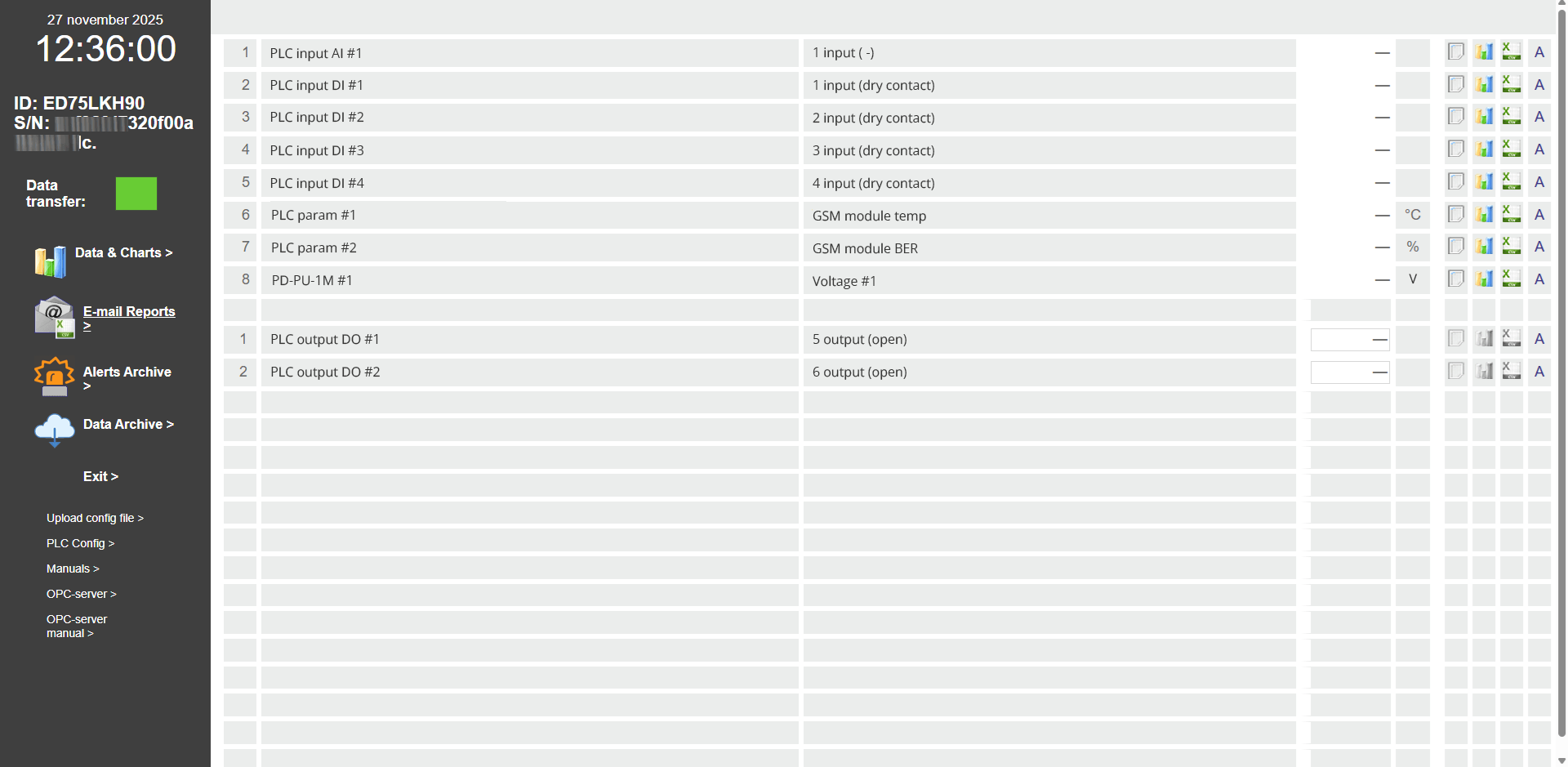
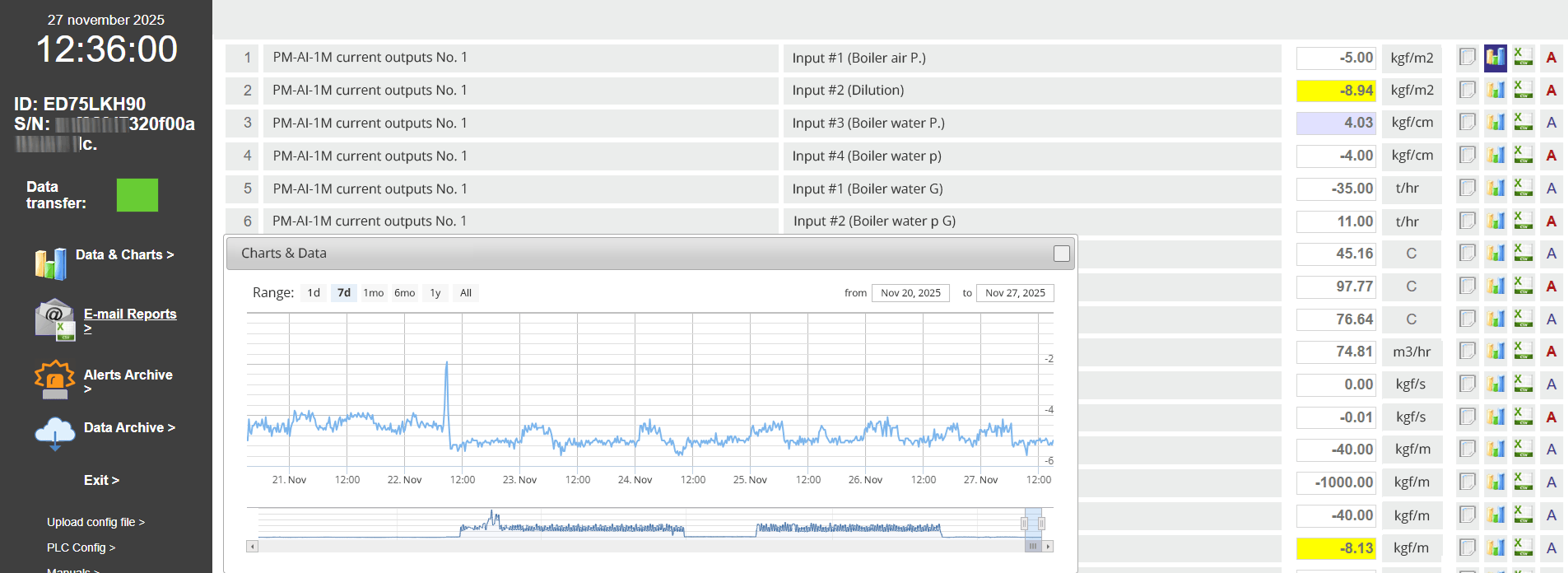
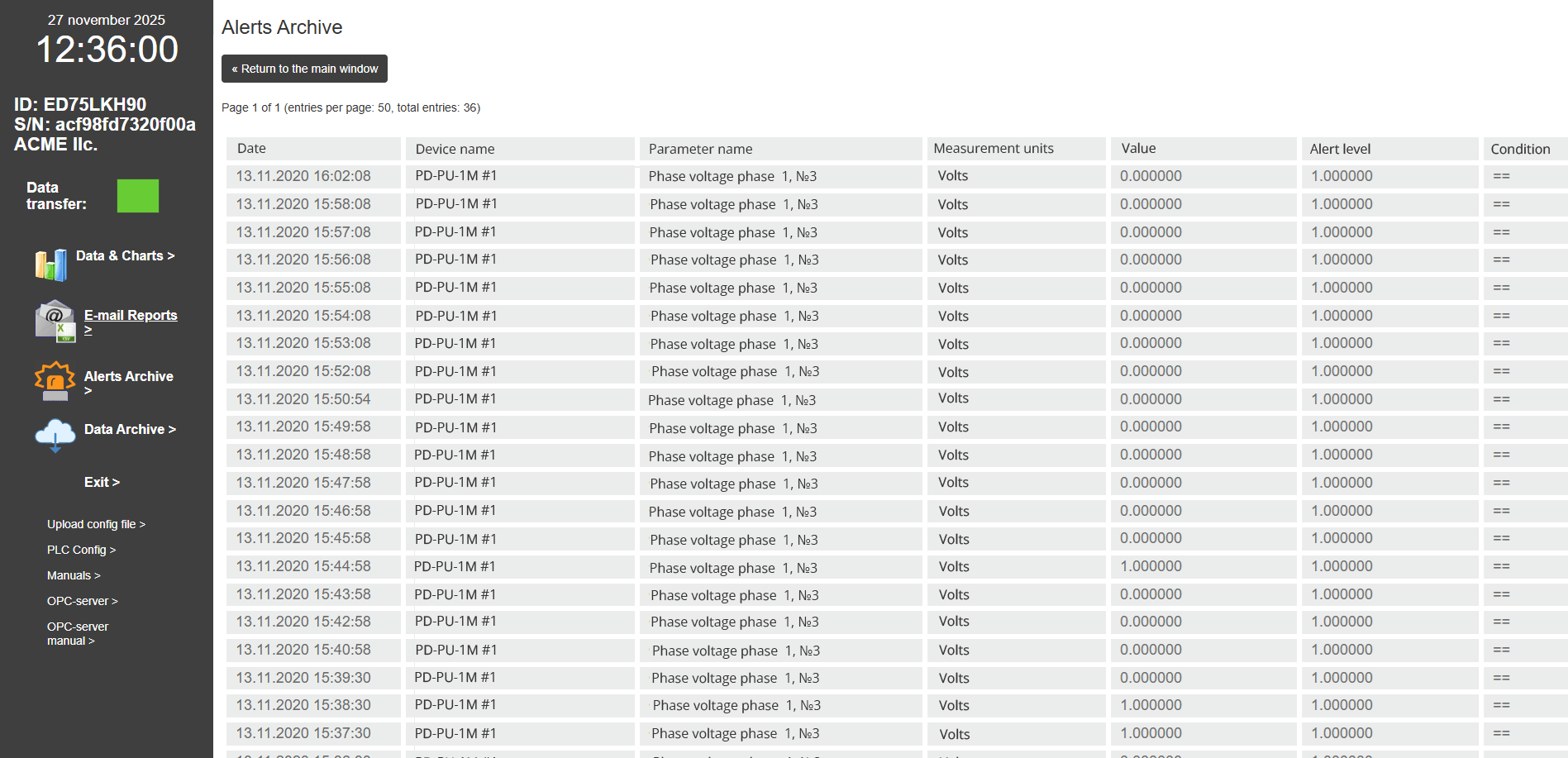
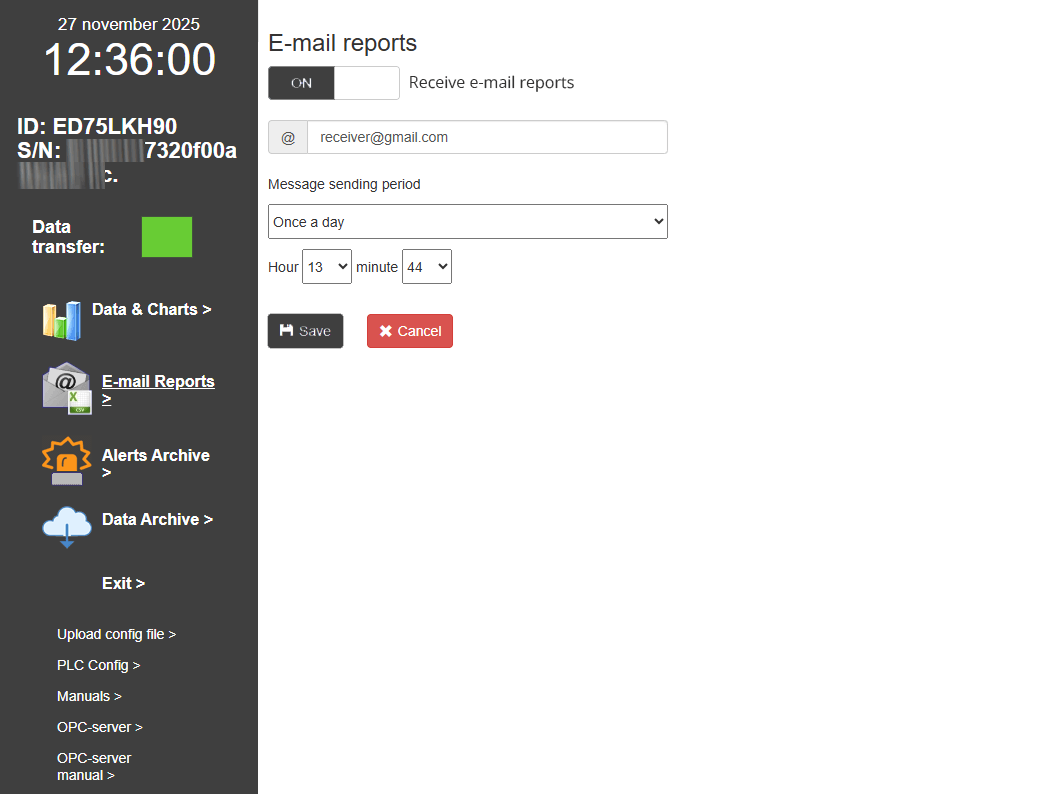
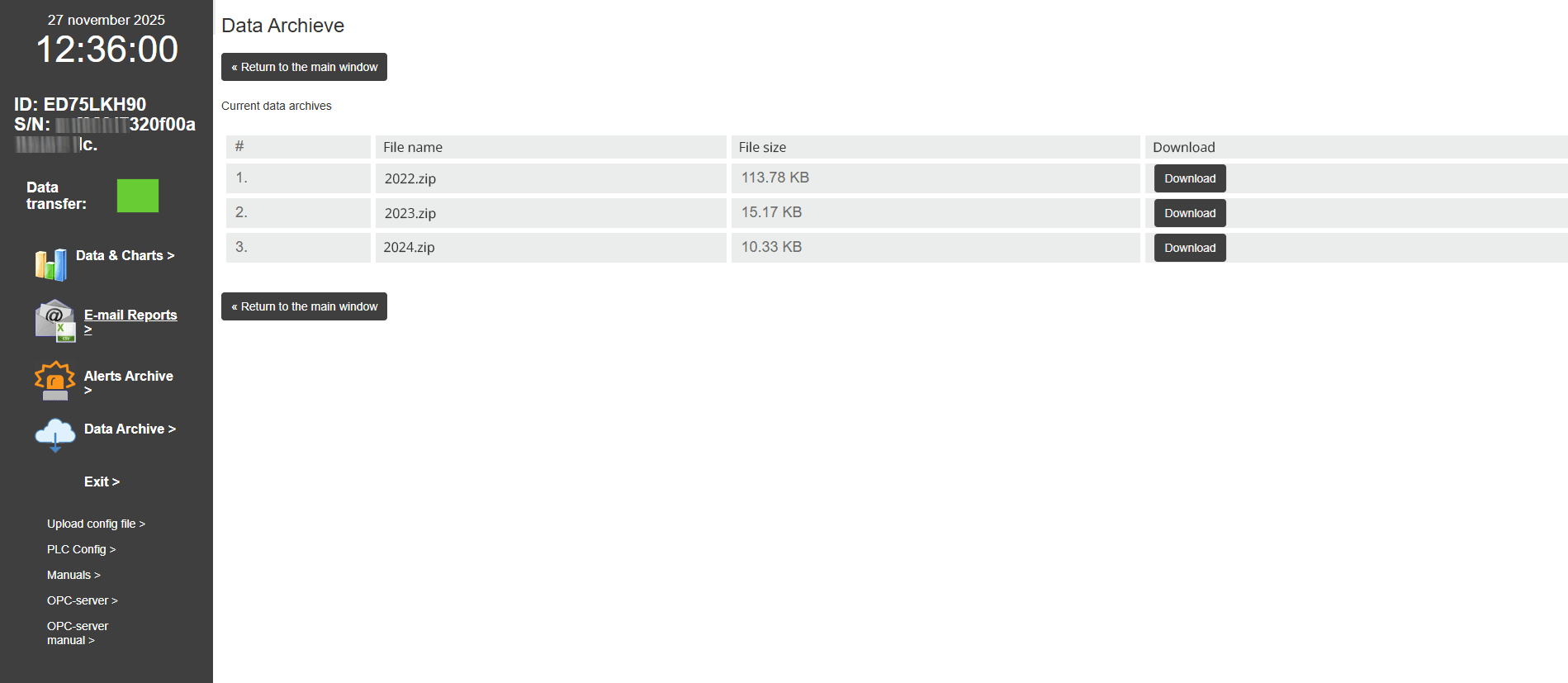
Finally, we delivered a real-time dispatch dashboard with live metrics, alert levels, and immediate notifications, giving operators full visibility and control over the manufacturing process.